Carbon Project Spotlight: An Inside Look at the Nunukan Mangrove & Peatland Project (NMPP)
News
 Willie
The Critical Role of Blue Carbon in Indonesia
As the world races toward Net Zero, the focus has shifted toward "Blue Carbon", the carbon stored in coastal and marine ecosystems. Indonesia, home to the world’s largest mangrove population, sits at the heart of this movement. However, these ecosystems are under immense pressure from land conversion and aquaculture.
At Fairatmos, we believe that high-integrity carbon projects are the most effective financial mechanism to protect these "carbon vaults." Today, we spotlight the Nunukan Mangrove & Peatland Project (NMPP) in North Kalimantan, a project that exemplifies the synergy between climate science and community-led conservation.
Project Overview: Geography and Ecology
The NMPP covers 15,591 hectares within the Nunukan Regency. The project area is unique because it encompasses two distinct ecosystem types:
-
Mangrove Forests (BHK 1): Dense coastal barriers that protect against erosion while sequestering carbon at rates up to 10x higher than terrestrial forests.
-
Peatland Forests (BHK 2): Deep organic soils that act as massive carbon reservoirs.
While the project is rooted in the permanent protection of these habitats from the threat of large-scale palm oil plantations and intensive aquaculture, our mission goes beyond conservation. The NMPP includes a robust restoration and reforestation strategy.
Starting in 2028, the project will initiate dedicated nursery development and planting programs for both mangrove and mineral soil areas. This ensures that we are not just securing existing "carbon vaults," but actively revitalizing degraded patches to maximize the ecosystem's health and sequestration potential. By securing these lands under the Verra Registry (Project ID: 5845), we ensure a holistic approach that combines rigorous protection with active natural recovery.
Climate Impact: 14 Million Tons of Sequestration
The climate benefits of NMPP are substantial and measurable. Over its 40-year crediting period (2026–2066), the project is estimated to generate a total emission reduction and removal of 14,213,922 tCO2e.
Annual Average: ~355,348 tCO2e.
Integrity Measures: A Multi-Methodology Approach To ensure the highest level of integrity, the project utilizes four distinct Verra (VCS) Methodologies tailored to the specific needs of mangroves, peatlands, and mineral soils:
- VM0007 (REDD+ & WRC): Applied for Avoiding Planned Deforestation and the Conservation of Intact Wetlands, specifically focusing on protecting deep peatland reservoirs.
-
VM0033: Dedicated to Tidal Wetland (Mangrove) Restoration, ensuring high-integrity carbon accounting for coastal ecosystem recovery.
-
VM0047: Utilized for Afforestation, Reforestation, and Revegetation (ARR) activities to restore degraded lands across the project area.
By integrating these rigorous frameworks, the NMPP ensures that every credit represents a real, additional, and permanent reduction in atmospheric CO2, providing a transparent and scientifically-backed contribution to global net-zero goals.
Biodiversity: A Sanctuary for Endangered Species
NMPP has been designed to meet the CCB (Climate, Community & Biodiversity) Gold Level for Biodiversity. This isn't just a label, it’s a commitment to protecting 28 Rare, Threatened, and Endangered (RTE) species.
Globally Threatened Fauna:
-
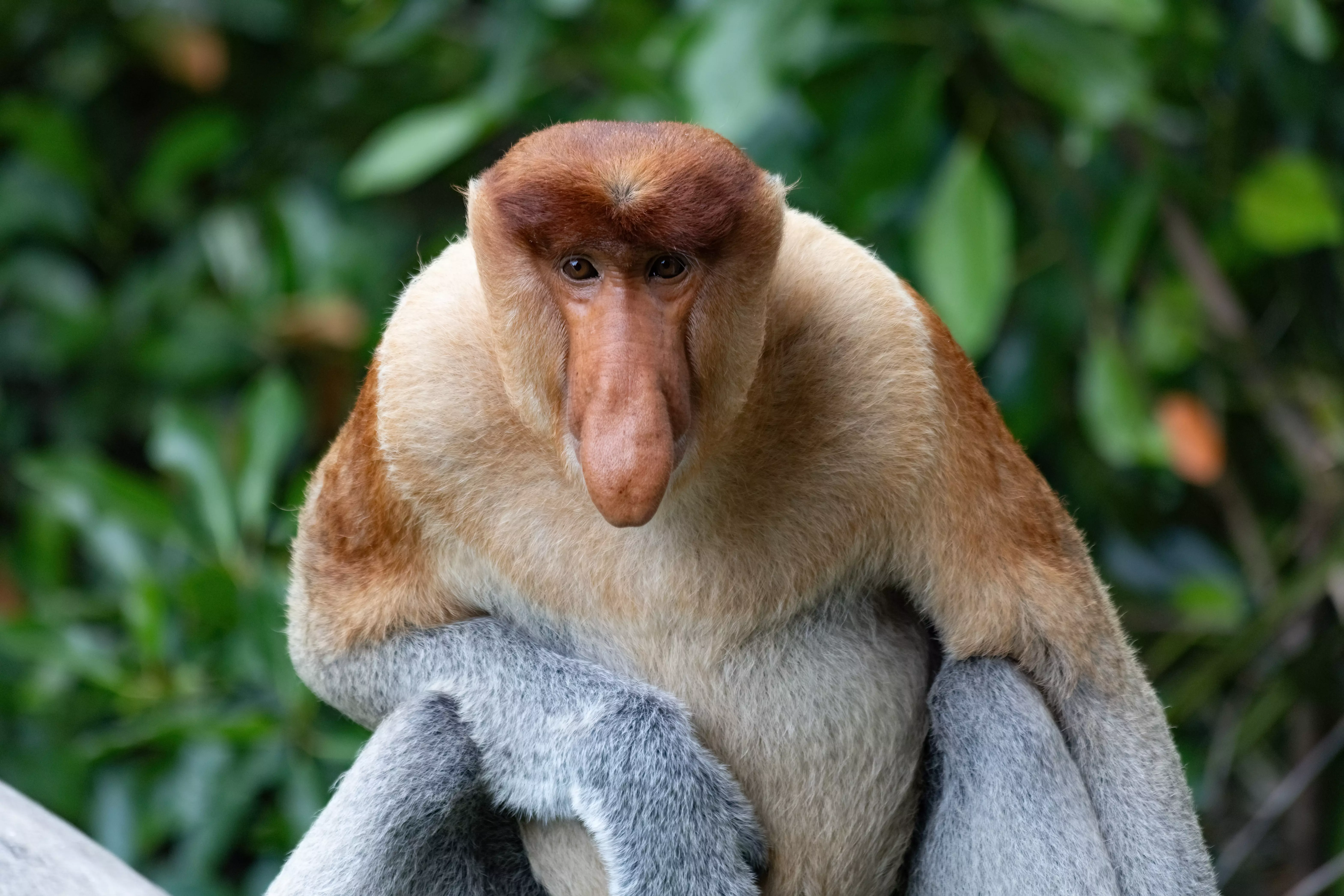
Proboscis Monkey (Nasalis larvatus) – [Endangered]
-
Irrawaddy Dolphin (Orcaella brevirostris) – [Endangered]
-
Storm’s Stork (Ciconia stormi) – [Endangered]
-
Sun Bear (Helarctos malayanus) – [Vulnerable]
-
Lesser Adjutant (Leptoptilos javanicus) – [Vulnerable]
-
Asiatic Softshell Turtle (Amyda cartilaginea) – [Vulnerable]
(Additional 15+ faunal species identified in the PDD including various migratory birds and rare amphibians)
Critical and Rare Flora:
-
Shorea teysmanniana – [Critically Endangered] (Peat Swamp Forest)
-
Camptostemon philippinensis – [Endangered] (Rare Mangrove)
-
Shorea balangeran – [Vulnerable]
-
Gonystylus bancanus – [Vulnerable]
-
Dyera polyphylla – [Vulnerable]
-
Cantleya corniculata – [Vulnerable] 14.
-
Eusideroxylon zwageri (Ulin/Ironwood) – [Vulnerable]
(And 14 other botanical species protected through our conservation and planting initiatives).
Our conservation plan includes strict forest patrols, the creation of wildlife corridors, and the restoration of degraded patches through a dedicated nursery program starting in 2028.
Community: Building a Regenerative Economy
Carbon projects only succeed if the people living within them thrive. NMPP impacts four main communities (Nunukan Barat, Pembeliangan, Semunad, and Sebakis), reaching over 24,427 residents. The project moves beyond "aid" toward "empowerment" through:
-
Sustainable Livelihoods: We are implementing training for sustainable seaweed farming and "Silvofishery" a method of aquaculture that allows for shrimp/fish farming without destroying mangrove cover.
-
Education and Health: Establishing vocational training centers and improving local health clinics to ensure the "Carbon Dividend" is felt in every household.
-
Institutional Strengthening: Ensuring Free, Prior, and Informed Consent (FPIC) through regular community consultations and transparent benefit-sharing mechanisms.
The Roadmap to 2026 and Beyond
Having officially validated the project in the Verra Registry in early 2026, NMPP is now entering its most critical phase. The upcoming year will focus on:
-
Official boundary demarcation.
-
Initiating forest patrols to prevent illegal logging.
-
Launching the first wave of community development programs.
NMPP stands as a blueprint for how blue carbon can be scaled with integrity, transparency, and a "people-first" approach.
We invite you to view the full Project Description Document (PDD), implementation schedule, and official status of the Nunukan Mangrove & Peatland Project directly on the Verra Registry
🔗 View NMPP (Project ID 5845) on the Verra Registry
Join the Movement
For Investors & Buyers: Are you ready to move beyond traditional offsets and toward high-impact, transparent environmental assets? Align your portfolio with projects that prioritize community resilience and biodiversity at their core. [Explore Impactful Opportunities at Atmosfund]
For Buyers & Investors
Explore verified, high-impact projects like this through AtmosFund & invest in the future of sustainable landscapes.
Explore AtmosFundFor Landowners & Project Starters
Learn how your land could qualify for carbon project development through AtmosCheck.
Sign Up Now